• Blog
  • Product reviews
  • Nutrients
    • Magnesium findings
    • Algae
  • Memory Loss and Improving Memory

Treat for life

Live and let live

Salt or Without Salt?

November 18, 2017 By Nemira Leave a Comment

Salt Or Without Salt

Can people live with salt or without salt? Salt is essential to bodies because high salt contains trace minerals, such as Himalayan or Celtic Sea Salt. However, sodium comes in various brands, types, origins, and qualities.

According to Dietary Guidelines for Americans, people consume too much sodium. The amount of salt is 3500 mg of sodium per person. It means that limits are overturned to the side where heart disease risks are increased.

The recommendation from Dietary Guidelines is 2300 mg per person. You see that the amount is almost twice more considerable.

Do we add too much salt to our food?


We do not need to blame the salt shaker. Plenty of sodium hides in processed food. If you check labels before buying, sodium takes a substantial amount as the constituent.

Why does sodium harm us?


Sodium, by itself, is not poison. We harm ourselves when using whitened salt without minerals and consuming too much of it.

How does sodium affect our bodies?


According to health professionals, consuming sodium, using 2300 mg per day, could lower blood pressure. Consumer Reports cites Andreas Kalogeropoulos, M.D., Ph., an associate professor at Stony Brook University School of Medicine. He says that people who would change their sodium intake from high to moderate will improve their cardiovascular health.

Salt or without salt


The high amount of sodium affects the kidneys. When there is too much sodium in our food, the salt reaches the blood, where it is stored. This situation increases water retention and blood volume.

The consequences are unpleasant for the heart because it needs to pump more complex blood. The blood pressure increases and arteries are pressed and stiffened.

Besides, people do not drink plenty of water. Most Americans use soda drinks, and sugar is the bad guy.

Ways to decrease sodium intake

Salt or without Salt
  • Start by using less sodium. Taste buds will adapt slowly. Think about children who do not know what salt is. They started to like it when processed foods were introduced to them.
  • Read labels on the packaged food. Nobody wants to poison you. The salty food stays longer on shelves. It is your responsibility to think about your health.
  • Cook at home as much as possible. You can make dishes for a few days and bring some for lunch at work. In this way, you will escape temptation and reach for potato chips or donuts. Homemade food consists of products chosen by you.  You will save money cooking at home. The taste will be different. You will add spices, not just salt. In this way, the consumption of salt will decrease gradually.

Conclusion   


Everything is possible when we start to take care of ourselves. Heart diseases are no joke. Consuming significant amounts of sodium hidden in processed food can hurt us. Using the methods mentioned above, you can adapt to the new taste and improve your health.

Disclaimer

Filed Under: Blog Tagged With: Consumer Reports, heart disease, salt, sodium

Important Nutrient Diet

November 17, 2017 By Nemira Leave a Comment

Important Nutrient Diet

Nutrients from diet give the body energy, building substances, and tools to protect from invaders. A critical nutrient diet is a diet that is full of essential nutrients. Without the proper nutrients, the body would starve, be sluggish, and be unable to function at its full potential.

The Western diet is full of processed and missing substances. Sugar, heated oils, white flour, meat with antibiotics, and the lack of vegetables, minerals, proteins, and vitamins throw the body out the balance.

We see results in the street or airplanes when people cannot fit in the seat.

We may miss these nutrients in our diet


Individuals who consume a typical American diet can miss these vital nutrients:

Calcium


I read that calcium is abundant in a modern diet. However, we do not get calcium from authentic sources such as almonds, bok choy, canned salmon with bones, broccoli rabe, broccoli, white beans, and tofu. Most of us choose fast food, such as pizza or hamburgers, where calcium does not absorb efficiently.

Eating calcium-rich vegetables gives us a full array of vitamins, enzymes, and fibers. Processed calcium does not benefit the body because it is synthetic, not as Nature created.

Fiber


Fiber comes from raw food or is slightly cooked. The body benefits from fiber because it stimulates the immune system, lowers blood pressure, helps lose weight, helps move bowels, and fights inflammation.

Good sources of fiber are legumes, nuts, whole grains, seeds, fruits, and vegetables. Getting at least 20 to 30 grams of fiber daily is recommended.

Magnesium


Over eighty percent of American people are deficient in magnesium. It means plenty of problems with the nervous system, heart, muscle, energy production, and body metabolism. Over sixty-five conditions require magnesium.

Why do we not get enough magnesium from food? The soil is depleted. Farmers do not mineralize it. Plants and animals do not get magnesium from the land. The human being who stands at the end of a chain is left without vital minerals, not just magnesium.

Potassium


Potassium is a missing nutrient in the diet of Americans. Only 2 percent get the required dosage of potassium: 4700 mg per day.

Bananas, leafy greens, potatoes, legumes, and salmon are rich in potassium.

Vitamin B12


Vitamin B12 diminishes with age. People can sense fatigue, anemia, loss of appetite, constipation, and weight loss.

Excellent sources of vitamin B12 are fish, beef, cheese, milk, eggs, and yogurt.

Conclusion


The Western diet is poorly equipped with nutrients such as enzymes, vitamins, minerals, proteins, and fiber. It means that individuals will experience the consequences of deficiencies. Do we need to wait for it?

It is better to find the right prevention tools and use them to protect the most precious assets: health and peace of mind.

You can read more about supplementation here. We do not get nutrients from food. What we get is only a part of the whole balanced diet. We need to give all the essential nutrients to the body. It is possible with the help of dietary supplements.

Filed Under: Well-being Tagged With: calcium, dietary supplements, enzymes, fiber, magnesium, nutrients, potassium, vitamin B12, Western diet

Beneficial Bacteria for the Human Body

November 16, 2017 By Nemira Leave a Comment

When you hear the words beneficial bacteria human body, what first comes to mind? The gut? Yes, you are right.  The stomach is famous nowadays. Little friends and occupants of bowels share some fame too.

Beneficial Bacteria Human Body

You would think about what is disgusting. Not for me because I saw plenty of animal guts. Besides it, I experienced the benefits of a well-behaving microbiome, and  I was punished when I spoiled them.

What do I mean? Trader Joe’s Belgian chocolate, croissants, and plenty of bread from the bakery do not feel cozy in my gut. Why? Until now, I learned that enjoying these goodies in moderation is better, with very little restraint.

You would think, who cares about this bacteria? You would watch if you dug into this fascinating world.

I think about bacteria in the gut of individuals with character and the need to be told how to behave. If we did not control what we eat and care for our bodies, we would experience rebelling and turmoil from the microbiome.

Gut bacteria help digest and absorb food, keep the brain happy, lose weight, keep the immune system in shape, reverse allergies, and help with children’s growth and development

Foods’s influence


I knew that we are what we eat. It is right in every area of interaction with food. Researchers found out that gut bacteria can ferment fiber. From fiber, metabolites called short-chain fatty acids (SCFAs) are produced.

Interestingly, insulin-producing cells can sense SCFAs in the gut. It seems that these cells like it. Insulin secretion increases when SCFAs are abundant in the body.

What has it shared with the food? Oral probiotics such as Lactobacillus rhamnosus GG and fiber intake nourish SCFAs-producing bacteria. The fermentation increases, and it leads to SCFA production.

According to scientists Jack Gilbert, Ph.D. and Rob Knight, Ph.D., the adaptation of diet and the usage of probiotics can make a difference in insulin secretion. It means less diabetes and more happy individuals.

The impact of beneficial bacteria on the human body


Microbes in the gut are responsible for our well-being. It means that  beneficial bacteria can

  •    affect mental health
  •   help lose weight
  •  boost  and shape the immune system
  •   affect growth and development in children
  •  improve digestion and absorption of food
  •  reverse allergies
  •  reduce ear infections
  •  help with diarrhea
  •  control the child’s weight after changing the microbiome
  •  lower levels of  chemical bisphenol A called BPA
  • help deal with depression

These benefits are just a part of the bigger picture. Why? Because scientists continuously find something exciting about gut bacteria. They see connections between the gut and the brain. They see microbiome involvement in celiac disease and diabetes.

Conclusion


It is okay to be exposed to the dirt. It is especially essential for babies and children. Microbes allow the body to strengthen the immune system and be healthy inside the gut.  The sterile environment is harmful because we do not learn how to protect ourselves from invaders. The body becomes resistant to foes and invaders due to contact with dirt. Children who have contact with dogs, play outside, and roll in the meadow or dig the soil do not become sick.

According to Jack Gilbert and Rob Knight, both are Ph.D., the dirt is good.

Do you have any thoughts? Please leave a comment below. I would be glad to answer.

Update from the source of McGill University


There is some excellent news about the benefits of bacteria in the gut. Scientists made the study with fruit flies. Do you know these disappointing creatures which pop from nowhere and quadruple every minute? These flies were fed with a combination of probiotics and an herbal supplement called Triphala. They found out that flies longevity increased by sixty percent, and protection from chronic diseases associated with aging was remarkable.

Satya Prakash, the professor of biomedical engineering in McGill’s Faculty of Medicine and senior author of the study, emphasizes the importance of microbiome health to the whole human body. Foods are metabolized better and more efficiently in the gut, thanks to the influence of probiotics.

You know that there is a connection between the gut and the brain. It is called the gut-brain axis. Brain activity depends on the quality of the microbiome. If we have healthy bacteria in the stomach, we do not experience irritable bowel syndrome, neurodegeneration, or depression.

Fruit flies have similarities with mammals at seventy percent regarding their biochemical pathways. There is a suggestion that a diet with antibiotics can benefit from a healthy and long life. Sounds nice.

Filed Under: Blog Tagged With: beneficial bacteria, BPA, children, diabetes, dirt, fiber, gut bacteria, human body, insulin, Jack Gilbert, metabolites, Rob Knight

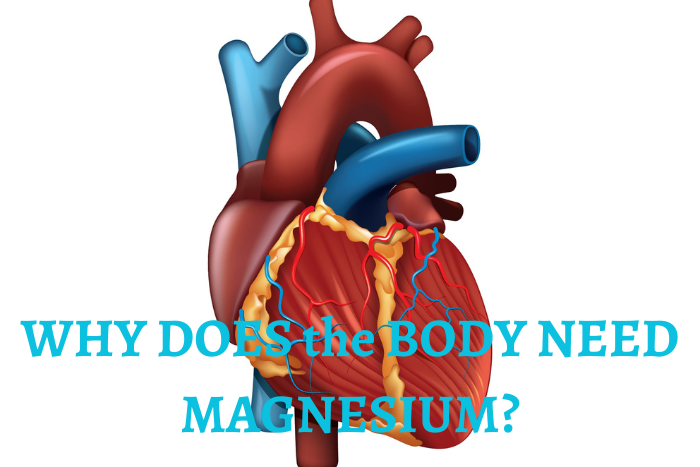
Why Does the Body Need Magnesium?

November 15, 2017 By Nemira Leave a Comment

Why the body needs magnesium? Magnesium is an essential mineral. It participates in all areas of the body’s metabolism. Magnesium deficiency creates turmoil and can lead to chronic disorders. Strong words? Let’s check out.

Magnesium benefits


  • Magnesium gives relief from anxiety, depression, and migraine
  • Magnesium aids in cases of stroke, pain, neuralgia, head injuries, brain surgeries
  • Magnesium helps lower cholesterol and hypertension
  • Magnesium is vital for the heart
  • Magnesium relieves PMS, helps through menopause
  • Magnesium is essential in cases of infertility, pregnancy, preeclampsia, and cerebral palsy
  • Magnesium aids for osteoporosis, arthritis, kidney stones, and kidney disease
  • Magnesium helps in cases of chronic fatigue syndrome and fibromyalgia
  • Magnesium is needed use for environmental illnesses
  • Magnesium prevents chronic diseases such as diabetes.

Magnesium is necessary for sixty-five conditions. Adrenal fatigue, bowel disease, arthritis, hypoglycemia, insomnia, and plenty more.

You would ask why nobody tells you about the importance of magnesium.

First, doctors do not learn about nutrition. Magnesium is a nutrient, not a drug.

Second, magnesium is a mineral. You can not patent it. If you can not license it, you can not make millions of it. It is simple. Everything simple is genial. In this case, people could benefit from this vital but pure mineral, nobody else.

Magnesium deficiency


More than 80 percent of Americans are deficient in magnesium. Thanks to the constant farming and depleting soil without giving it back, plants and animals do not get magnesium. We, people, do not get it too.

Of course, some individuals can afford to buy food from farmers who mineralize the soil. However, it is a drop in the ocean. Magnesium deficiency costs us a hefty price: our health. You would ask why? Because plenty of health practitioners do not know about magnesium and its importance to the body’s metabolism.

People use chemicals because they do not know better ways to help themselves. They hope for the best, but the hope is practical when we have done everything possible. When the body needs magnesium, and we feed ourselves with chemicals, the situation will not change.

Magnesium will not pop out from the pill because chemical constituents are different. It is the same as you would ask for soup, and the waiter will bring you a bowl of sugar.

Chemicals can not dig from the body magnesium if magnesium is absent. In conditions mentioned earlier, magnesium could reverse the situation to the best outcome.

Do you doubt it? Please read the book, The Magnesium Miracle, the second edition. If you have some problems, you will be nicely surprised. Bette, go to Amazon and read the feedback under the ReMag supplement. You would think where I was before?

Conclusion


The importance of magnesium was known many decades ago. Strangely, most health practitioners do not talk about it widely and openly to the public. There are hundreds of scientific papers and research about the benefits of magnesium. Doctors such as Dr. Carolyn Dean, M.D., N.D., Dr. J. Mercola, Mildred Seelig, M.D., Dr.Bella T. Altura, and Dr.Burton M. Altura published many research papers, books, and articles. Finally, ReMag, the pico-ionic liquid magnesium, absorbable at 100 percent cellular level, can reach everybody who needs magnesium. There are no laxatives or other side effects. It means that we can get magnesium directly into our cells and feel changes in our bodies.

Filed Under: Magnesium findings Tagged With: doctors, magnesium, remag, scientific papers, The Magnesium Miracle

Magnesium Helps Constipation

November 13, 2017 By Nemira Leave a Comment

Magnesium helps constipation because it has side effects as a laxative. Most magnesium supplements work in this way. Individuals can benefit from magnesium because it is a mineral and vital. Magnesium relaxes muscles, and waste can leave faster and more smoothly. Besides that, magnesium does not harm.

Magnesium deficiency


Magnesium deficiency leads to sixty-five conditions. Constipation is one of them.

What does magnesium do in the body?


Magnesium has plenty of functions, such as:

  • Cofactor for over 800 enzyme systems
  • Protects cells from an overflow of calcium
  • Lowers cholesterol
  • Helps heart
  • Protects telomeres
  • Relaxes muscles
  • Aids for brain

How does it help magnesium for constipation?


Magnesium relaxes muscles. Usually, constipation occurs when people eat junk food and do not get fiber. A sedentary lifestyle adds some power, too.

Junk food does not have any nutrients which participate in the body’s metabolism. Magnesium acts as a laxative when it is not absorbed in the body. However, using magnesium to relieve constipation is not the wisest solution. Why? Most magnesium supplements do not incorporate well. They had a laxative effect and were removed from the waste. Unfortunately, it does not remove the cause of why constipation occurs.

Consuming ReMag is absorbed 100 percent, and the body gets the full benefit at the cellular level. You do not have loose stools because it goes straight to the cells. What does it mean?

Magnesium would help the body to get on track again. Drinking plenty of water, having a diet rich in vital nutrients and fibers, giving up sedentary life, and exercising as much as possible would keep constipation away.

Conclusion


Magnesium supplements can help just momentarily. If you want to get rid of constipation, you must change your diet and use plenty of nuts, seeds, nuts, and beans. Dr. Carolyn Dean advised drinking water with ReMag and adding a little bit of Celtic Sea Salt or Himalayan salt. Water per day must be half of your weight in ounces—magnesium and multimineral supplements help keep the body in balance and wellness.


Filed Under: Magnesium findings Tagged With: constipation, diet, magnesium, nutrients, telomeres

What Is Inflammation In The Body?

November 12, 2017 By Nemira Leave a Comment

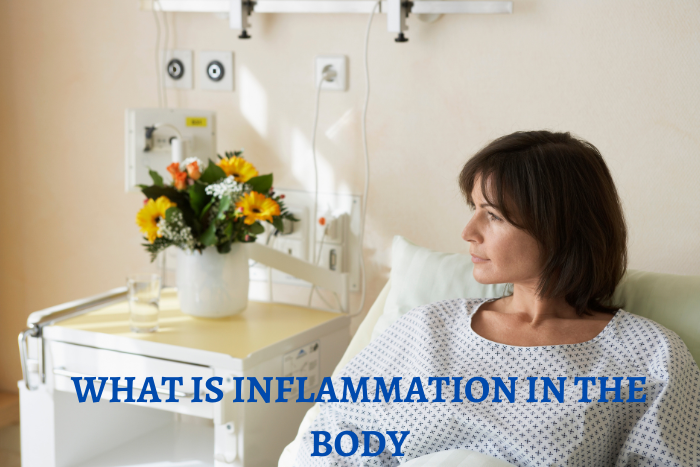
What is inflammation in the body? Inflammation is a common root of many chronic diseases. Oxidative stress influences the beginnings of inflammation.

Types of inflammation


Types of inflammation are:

  • Normal inflammation
  • Abnormal inflammation

Normal inflammation


Healthy inflammation occurs when the body’s healing system reacts to a localized attack or injury. The process happens in one area. It starts here, is maintained, and is finished with healing here.

Inflammation could happen when a sudden injury to the skin from impact or burn affects a particular area.

Some changes occur together one by one. The heat and redness show the influx of blood to the affected area. The swelling happens because small blood vessels allow plasma to go to tissues. The pain follows. The immune system participates in the healing process. It takes time, but the inflammation disappears when the problem resolves. We can be disappointed when we have pain and redness or swelling. Fortunately, it takes a short time and a restricted area of inflammation.

Abnormal inflammation


Abnormal inflammation differs in space and time. When healthy inflammation starts in one place and ends simultaneously, abnormal inflammation can attack the whole body.

What is worst is that inflammation lets the immune system attack all cells. These powerful immune killer cells go after affected cells and healthy ones.

How do they work these killer cells?


The immune system has the best army in the world.  Immune cells have different tasks in the body and act according to the situation. Some enzymes could destroy cell walls and digest the vital components of cells and tissues.

Usually, when healthy inflammation occurs, the body is able to control the process. It deals with the consequences of impact or invasion in one place. When healing ends, the body stops control over the inflammation process because there is no need to take care of it.

What is wrong with abnormal inflammation?


The body does not control the abnormal inflammation. It spreads over all tissues and does not quit easily. The immune system participates in healing. Unfortunately, it could lead to autoimmune disorders when it does not get the command from the body on what to target and when to stop.

What does it mean?


Autoimmune disorders occur when the immune system attacks cells without a difference. Sick or healthy cells suffer from powerful killer cells. It can lead to:

  •  Discomfort
  •  Disability
  •  Failure of organs
  •  Irreparable damage to essential structures

For example,  type I diabetes is autoimmune from the start:

  •   The immune system starts an abnormal attack triggered by an unknown cause
  •  The beginning is early in life
  • Insulin-producing cells in the pancreas  destroyed

Rheumatic fever, rheumatoid arthritis, and systemic lupus erythematosus are autoimmune disorders.

What does trigger autoimmune reactions?


There are some origins, such as:

  •  Infection
  •  Toxic injury
  •  Stress
  •  Environmental issues such as air, water, and food pollution

New findings are causes of disorders


Dr. Andrew Weil states that doctors have a consensus about the triggers of some diseases.  Asthma, atherosclerosis, Alzheimer’s, ALS, and Parkinson’s disease have components of abnormal inflammation.

Irritable bowel syndrome(IBS) can start from microinflammation. It can be seen just with a microscope examining damage to the GI tract tissue.

Previously, other triggers were to blame. For example, cholesterol was responsible for atherosclerosis. Now doctors think that the damage was done at first by inflammation. Later on, cholesterol deposits can be a response to protect damaged areas covering defects.

First, abnormal inflammation occurs. Second, the body attempts to heal affected areas.

Regulation of inflammatory process


Before digging into this inflammation topic, I thought hormones are primarily for growth and fertility. Nope. Hormones take a respectable place in our body’s metabolism.

What do the control mechanisms of inflammation?


Prostaglandins and leukotrienes were responsible for the control of the inflammation process. Hormones work synergetically. Imagine a swinging pendulum. When you do not move it, the swing stays in one place. The balance was achieved.  Hormones work in the same way in the body. They interact and make sure that processes would not go wild.

Some of the hormones increase inflammatory activity; some of them dampen it. These hormones must be in equilibrium.

Interestingly, the same hormones which increase inflammation can trigger cells to proliferate. Other hormones that decrease inflammation can cease the abnormal division of cells.

What Does It Mean?

What does it mean?


It means that disrupted balance in hormonal activity can trigger inflammation and lead to nasty diseases.

Is there an escape from this misery?


Yes, it is. Education is the first thing that would help us make the right choices. Second, a fit lifestyle is a way to avoid significant problems and consequences from it.

Do you see a connection here?

According to Dr. Andrew Weil:

 food choices we make can determine whether we are in a pro-inflammatory state or an anti-inflammatory one.

Hormones are prostaglandins and leukotrienes synthesized in the body.  The body uses polyunsaturated fatty acids (PUFAs), essential nutrients. We do not make these vital nutrients. We must get them from food.

There are two types of PUFAs:

  • Omega-3 fatty acids
  • Omega-6 fatty acids

The demand for these fatty acids is a constant and vital one.

Hormones made from omega-6 acids intensify inflammation, and hormones produced from omega-3 fatty acids downregulate it.

Sources of fatty acids


Omega-6 fatty acids come from the fat of grass-fed animals, oil-rich seeds, and vegetable oils extracted from them.

Omega-3 fatty acids are found in :

  • Leafy greens
  • Walnuts
  • Flax seeds
  • Hemp
  • Soy oils
  • Canola oils
  • Sea vegetables
  • Salmon
  • Sardines
  • Herring
  • Mackerel
  • Black Cod
  • Bluefish
  • Fat from grass-fed animals

Nutritionists think that the balance between the consumption of omega-6 and omega-3 was stable in the past. When processed food takes over, especially in Western countries, this balance is disrupted.

You know about the fattening of animals and birds with hormones and antibiotics, keeping them in confined places. Vegetable oils heated. Snack foods provide omega-6 fatty acids. There is no place for omega-3. So what, you would ask?

Omega-3 fatty acids dampen inflammation. Period. If you do not get enough of these acids, your body cannot produce the right hormones that regulate inflammation. Do you see how it goes? It is a chain reaction. One thing leads to another.

Processed food disrupts the balance of hormones. It leads to inflammation. Inflammation is the root of diseases. No fun? Yes, I agree.

Again, there are words from Dr.Andrew Weil:

 In a nutshell: you can reduce the risks of abnormal inflammation and diseases associated with it and shift your body from a pro-inflammatory to an anti-inflammatory state by increasing your intake of omega-3 fatty acids, decreasing your intake of omega-6 fatty acids, and excluding from your diet the kinds of fat known to promote inflammation.

Are fats only to blame for inflammation?


I am sorry, but carbohydrates are responsible for inflammation too.

The chemical reaction’s name is glycation when proteins and sugar react. Glycation produces pro-inflammatory compounds. They are called advanced glycation end products (AGEs).

For me, it correlates with aging. AGEs promote inflammation through the deformation of proteins, cross-linking them.

The glycation could be measured. Doctors check blood levels looking for hemoglobin AIC. It is a form of glycated hemoglobin.

Knowing the numbers of glycation is essential. This process affects proteins and generates AGEs.

 Do We Need To Be Afraid Of Glycation?

Typically people have low levels because the body’s defense mechanisms protect us.

How to choose wisely carbohydrate sources?


Learn about the glycemic index and glycemic load

  • Eat foods with a low glycemic index and glycemic load. Change snack foods with whole grains, beans, sweet potatoes, and other vegetables. Eat more temperate fruits compared with tropical fruits such as pineapple, mango, or papaya.
  • Consume less processed food
  • Avoid fast food
  • Eat fewer products made with flour of any kind
  • Skip products made with high-fructose syrup.

Conclusion


Healthy inflammation benefits the body. At the time of impact, the body pulls all helpers and starts to take care of the confined area at a particular time. When the consequences of injury or invasion are removed, inflammation disappears.

Abnormal inflammation occurs when the body can not control the immune system, and defense mechanisms start to attack its cells.

The quality and origin of diet have a strong influence on inflammation evolution.  Watching the menu and changing lifestyles could enormously impact the quality of our lives.

If you have questions or would like to leave a comment, I would be glad to answer it.

Disclaimer

Filed Under: Blog Tagged With: abnormal, AGEs, autoimmune disorders, best army, cross-linked proteins, enzymes, glycation, glycemic index, glycemic load, immune system, inflammation, killer cells, normal, proteins, PUFAs, redness, swelling

Are the Best Antioxidant Supplements?

November 10, 2017 By Nemira Leave a Comment

Are Best Antioxidant Supplements

Are the best antioxidant supplements on the market? Yes, doctors recommend antioxidants as the prevention against free radicals, avoiding sudden aging and deterioration of body systems. Some of the antioxidants come with diet.

Antioxidants help with aging, inflammation, and chronic diseases. Antioxidants help the body to repair after attacks of free radicals that cause premature aging and inflammation.

Before talking about antioxidants, it would be good to start with oxidation.

What is the heck the oxidation?


You know that atoms or molecules have electrons that spin in orbit around the nucleus. It is a natural process. Unfortunately, some agents, such as oxygen or chlorine, can strip an electron from the atom. These molecules or atoms become defective and useless. Cells die and vanish. It is the reason why aging occurs. It does not matter what it is: the human or metal.

You see how iron rusts. It does not take a long time to turn metal into corroded metal.

Oxidative stress happens when natural and artificial radiation affects cells. Free radicals begin to form when electrons are stripped from atoms. These free electrons search for prey because they cannot be unattached. They bombard new molecules ,taking the next particle. This process starts the chain reaction. Without defense systems such as antioxidants, the body would suffer intensely

Antioxidants: What is it?


Nature has natural defense mechanisms against oxidation. Photosynthesis is one of the protective ways. However, it counts just for plants. How about humans?

We are lucky that we have these barriers:

  •  Physical barriers that contain free radicals in their places of production within cells
  •   Enzymes that neutralize reactive oxygen species(ROS)
  •   Substances from the diet such as vitamins C and E. These vitamins can donate electrons to free radicals, stopping them from harming cells.
  •  Repair mechanisms that help fix  damage from the oxidation  of DNA, proteins, and membranes
  •  Master control genes which are activated when the body is in need.

Antioxidants help the body to repair and detoxify after attacks of free radicals. The speed of metabolism plays a role in the number of free radicals and oxidative stress. When slow metabolism, slow is the production of free radicals.

We can help ourselves take an appropriate diet full of antioxidants such as enzymes, vitamins, minerals, and phytonutrients.

The best antioxidant supplements


The market is full of claims that this or this supplement will make miracles. I prefer advice from scientists and doctors. Let’s check out what do they offer for us :

  • Vitamin C
  • Vitamin E
  • Beta-carotene
  • Green tea extracts
  • Curcumin
  • Pycnogenol
  • Indole-3-carbinol (I-3-C)
  • Juvenon
  • Co-Q-10 (coenzyme Q or ubiquinone)
  • Alpha-lipoic acid
  • Resveratrol

These antioxidants are supported by science and are used to protect from free radicals and oxidative stress.

Okay, let’s start to check closer to these antioxidant supplements.

Vitamin C


What does vitamin C?

  •  Strengthens blood vessels
  •  Helps heal wounds
  •  Increases resistance to invaders
  •  Helps maintain the production of collagen
  • Aids for healthy gums

Vitamin C is famous and is praised as an effective antioxidant. Unfortunately, our bodies do not produce vitamin C. We must get it from the diet. However, how much vegetables and fruits can you consume during the day? Vitamin C supplements would solve this problem.

There is some history about vitamin C. The scientist, who discovered vitamin C and got the Nobel prize, was Albert Szent Gyorgii. He finds out that ascorbic acid or vitamin C does not have the same active properties when it is stripped to the one formula. Proteins, enzymes, and minerals surround ascorbic acid in nature. Think about citrus fruit. You do not consume just ascorbic acid. You eat the whole fruit, which is full of various nutrients. This composition gives us benefits.

Unfortunately, the discovery of Albert Szent was adopted by companies. They started to produce vitamin C synthetically. The difference between vitamin C from whole food and synthesized vitamin C is enormous.

Decide for yourself. Pharma companies use hydrogenated corn sugar, usually from GMO plants, affected with acetone. As I know, acetone is used for the removal of nail polish.

The company Grown By Nature produces vitamin C from organic citrus fruit concentrate.

Do you see a difference? Organic components are friendly to our bodies. Chemicals are chemicals, nothing more.

Vitamin E


How does vitamin E work?

  •  Protects red cells from oxidation
  •  Participates in the immune system
  •  Protects cell membranes from free radicals

Vitamin E does stop the attack on reactive oxygen species. Without protection, oxygen could go inside the cell through membrane or fat. You would ask, what is about fat? Lipid molecules react with reactive lipid radicals to form stable products.

Interestingly, vitamin E has many forms. Vitamin E belongs to a group of compounds. They include both tocopherols and tocotrienols.

Dr. Andrew Weil recommends the dose of vitamin E to be 80 to 160 milligrams of the whole complex.

Vitamin E must consist of tocopherols and tocotrienols because it provides the benefits from Nature. In nature, you can find the complex of vitamin E. It includes eight molecules: alpha-, beta-, gamma-, and delta tocotrienols.

Beta-carotene


Beta-carotene is a precursor for vitamin A. However, it is not advisable to use it alone because it can work as a pro-oxidant and increase cancer risks for some people, such as smokers and ex-smokers.

Beta-carotene must be in a multivitamin of high quality together with alpha-carotene, lutein, zeaxanthin, astaxanthin, lycopene, and others.

Green tea extracts


Green tea is known thousands of years ago. It originated in China but now green tea spread in the whole world. Asia produces green tea too.

Are Best Antioxidants Supplements?

Green tea contains phytochemicals. They consist of polyphenols and caffeine.

Polyphenols contain:

  • Epigallocatechin gallate ( EGCG)
  • Epicatechin gallate
  • Epicatechins
  • Flavanols

These constituents act as antioxidants, anticarcinogens, anti-inflammatory, and anti-radiation agents.

Green tea contains flavonoids. They are:

  • Kaempferol
  • Quercetin
  • Myricetin

Active ingredients in green tea act as antioxidants.

Curcumin


Curcumin is the main constituent of turmeric in the ginger family. It is widely used in Asia kitchens, but now, starting with Timothy Ferris’s morning habits, continents enjoy the benefits of turmeric tea and turmeric supplements.

Turmeric has a beneficial effect on Alzheimer’s. Individuals who live in rural India have one of the lowest rates of this disease globally.

When looking for turmeric supplements, pick organic because fresh products without chemicals work best.

Pycnogenol


Pycnogenol is the product of the bark of the pine tree. It is a French maritime pine bark extract. Pycnogenol is a combination of natural and robust antioxidants.

Pycnogenol contains active bioflavonoids. According to manufacturers, Pycnogenol fights free radicals, which are a reason for deterioration and aging.

Bioflavonoids help the immune system stay strong.

Indole-3-carbinol


Indole-3- carbinol or I-3-C  is found in cabbage family vegetables. I-3-C is a phytonutrient. This antioxidant can help reduce breast cancer risk. It happens by influencing estrogen metabolism.

Cabbages, kale, or Brussels sprouts are tasty. However, it is better to take supplements. We can not eat so many vegetables and get the required amount of I-3-C to prevent cancer.

Supplements from health stores can help solve it. Dr. Andrew Weil recommends I-3-C for women to use as a dietary supplement.

Juvenon


     Juvenon is a product created by Bruce Ames, a professor of biochemistry and microbiology at the University of California, Berkeley. He is an expert on the causes and prevention of cancer.

Bruce Ames discovered that rats fed with dietary supplements such as alpha-lipoic acid(ALA) and acetyl-L-carnitine (ALCAR) become energetic, and their brain functioned better. Rats looked like young animals.

You would think that the fountain of youth was discovered. Who knows, but Bruce Ames established his company, and the product is called Juvenon.

The secret is in the enzymes which help mitochondria produce energy. Besides it, it decreases insulin resistance and helps to deal with complications of diabetes, such as peripheral neuropathy.

Co-Q-10


The body produces coenzyme Q. It acts as an antioxidant and can increase oxygen usage at the cellular level.

Coenzyme Q increases the function of heart muscle cells.

Dr. Andrew Weil recommends it for cancer, diabetes, and gum disease patients. Sixty milligrams per day of the newest coenzyme Q is the recommended dose from Dr. Andrew Weil.

Caution: when you look for the supplement, you need to see how much active ingredient is in it. Bioavailability is essential because when the active ingredient is absorbed by 99 percent, we get most of the benefits.

I would compare it with juice. Would you like to have a glass of 100 percent orange juice or diluted with water and full of artificial sugar?

Alpha-lipoic acid


Alpha-lipoic acid has few benefits. It helps:

  •  Decrease insulin resistance
  •  Increase the body’s antioxidant defenses

Individuals can benefit from alpha-lipoic acid if they complain about metabolic syndromes such as HDL cholesterol, the tendency to get fat around the abdomen area, or high blood pressure.

ALA is a dietary supplement. Starting from 100 milligrams a day and taking up to 400 milligrams a day is the recommended dose by Dr. Andrew Weil.

Resveratrol


Resveratrol is a natural antioxidant found in the skin of grapes. Researchers found out that grapes produce more resveratrol when they grow under stressful conditions. Cold, rain, lack of nutrients, and attacks of fungi create an unpleasant environment for grapes. Luckily, grapes survive and have significant amounts of resveratrol in their skins.

Researchers discovered a gene called daf-2. This gene seems to be a master regulator of many other genes that deal with metabolism and defense.

Later on, the gene called sir-2, which mediates the response to restrictions of calories, was discovered.  When living beings eat less, they live longer and have increased body defense. Scientists looked for a substance that could activate gene sir-2 without starvation. This material is resveratrol, the component of grape skins in red wine. Resveratrol was responsible for the health benefits of red wine.

My recommended antioxidants

  • Vitamin C: www.grownbynature.com.
  • Vitamin E: www.grownbynature.com
  • Beta-carotene: from Solaray
  • Green tea extracts: from True Veda
  • Curcumin: from True Veda
  • Pycnogenol: from Horphag Research
  • Indole-3-carbinol: by Thorne Research
  • Juvenon: by Juvenon
  • Coenzyme Q: by www.grownbynature.com
  • Alpha-lipoic -acid: by Now
  • Resveratrol: by Now

Conclusion


Antioxidants play a role in our well-being. Being healthy is not a privilege; it is a necessity. We must be robust to enjoy life, help others, and create a better environment for ourselves and our children.

Antioxidants do not harm. They protect us from toxins, pollution, stress, and invaders such as bacteria. The immune system does not mind if we help her deal with the burden of civilization, such as radiation, inadequate nutrition, and stress.

Taking antioxidants for our well-being will provide the body with nutrients vital for the metabolism, defense, and immune systems.

Filed Under: Nutrients Tagged With: alpha-lipoic acid, antioxidants, beta-carotene, coenzyme Q, curcumin, enzymes, green tea extracts, Juvenon, master control genes, minerals, Pycnogenol, Revestrol, Vitamin C, Vitamin E, vitamins

Importance Of Leafy Vegetables

November 9, 2017 By Nemira Leave a Comment

The importance of leafy vegetables is enormous, especially when obesity reaches the heights of the Swiss Alps. Nutrients in vegetables are vital because most individuals do not eat food rich in vitamins, minerals, and enzymes. It leads to chronic disorders.

The importance of antioxidants


You can imagine what oxygen does to the iron. After some time, the piece of iron becomes rusty, and from the substantial portion of the metal, just a remembrance is left of what it was before. It is the same with our bodies.

Leafy vegetables have active ingredients that help to deal with oxidative stress. During oxidation, cells can die. Antioxidants in leafy vegetables prevent that

We are affected continuously by pollution, radiation, exposure to sun rays, acid rain, etc. Besides it, when we eat empty calories, so-called junk food, we do not get any protection against chemicals, additives, and preservatives.

Thankfully, leafy vegetables could be a real help, especially if we would drink smoothies. Eating vegetables as rabbits do takes plenty of time. Besides, it is not tasty. When we use the blender, we can add the banana or shredded coconut to improve the taste.  The blenders make the drink easy to digest and get vital nutrients.

According to Dr. Andrew Weil, people do not eat enough leafy vegetables. Plant-based foods must be changed over time. Variety counts and gives an array of different nutrients.

Importance of leafy vegetables


Leafy vegetables help fight against oxidative stress. The oxidation can harm cells by taking electrons. When the cell is not complete, it ceases to function correctly and dies.

Plants contain phytonutrients. They are protective compounds. People must have a habit of eating plant-based food, especially leafy green vegetables. We would defend ourselves against the ravages of oxidative stress.

Our grandparents knew that they talked about telling us: eat your vegetables.

Filed Under: Blog Tagged With: importance of leafy vegetables, leafy vegetables, oxidative stress, oxydation

Magnesium And Angina

November 8, 2017 By Nemira Leave a Comment

Angina is a pain in the area of the chest. It can happen in short periods. It feels like the pressure or the sense of fullness. Sometimes the pain can go down the left arm.

Why does it happen?


Angina can happen; the lack of oxygen creates the buildup of carbon dioxide in the heart’s muscles. It is a  frightening situation. The pain can be mild or acute. People can experience it after or during exercise, especially in the cold, having intense emotional stress or vivid dreams.

Angina passes after a few minutes or after taking nitroglycerine.

The blood carries oxygen and nutrients to organs in the body. The heart needs supplies too. If blood vessels constrict and oxygen does not reach the heart fully, people experience angina.

If this situation happens often, the angina is called unstable. Angina can lead to a heart attack.

Magnesium helps relax the muscles of the heart and relieve inflammation.

The importance of magnesium


Dr. James B. Pierce, Ph.D., states that almost fifty percent of sudden heart attacks happen when the body lacks magnesium. If you think about magnesium’s ability to relax muscles everywhere, you will see that the blood rich with oxygen can easily reach the heart when magnesium is sufficient.

The prevention is the best aid


Most of us start to think about health after something scary happens, such as a heart attack or high blood pressure.

We can prevent disorders by taking measures and changing bad habits. The elimination of sugar, alcohol, and junk food could help prevent heart disease. Taking absorbable magnesium supplements will provide the body with minerals vital for the body’s metabolism.

Conclusion


Angina is a scary situation. We can prevent it by taking dietary supplements such as magnesium, and ReMag, having plenty of rest, and looking after our diet. It is nothing complicated. We must remember that health is the most crucial asset besides time.

Filed Under: Magnesium findings Tagged With: angina, magnesium, prevention

Why Are Organic Products More Expensive?

November 6, 2017 By Nemira Leave a Comment

Why are organic products more expensive if compared with conventional production? Processed food stays on the shelves for a few months or longer.  Organic food has vital nutrients but spoils faster because it is chemical-free. Most people do not choose natural products because they are afraid that the money spent will not bring any results.

Why are organic products more expensive?


Organic products are no exception when it comes to higher prices. Quality products cost more. Why?

  • Materials are expensive, such as fertilizers or clean water.
  • The time to produce is long
  • Quality products cannot be created in significant quantities
  • Organic and quality products require plenty of  human resources

Everything adds up. The price goes up. Imagine what you want: strawberries without chemicals. You need to mineralize the soil. You cannot use pesticides. Somebody needs to pull weeds out, pick them, then place them in boxes without crushing them. Farmers have enormous expenses, and the price of products goes up.

It is different from strawberries, which grow in significant fields. Pesticides sprayed from airplanes, water quality questionable, automated picking saves time and money.

Organic products require constant supervision, lab checking, and avoiding the usage of chemicals. It increases costs.

What do you get in the end?


Organic strawberries melt in the mouth, smell sweet, and do not last long.

Conventional strawberries are hard to bite. Most people use a knife to cut them and put some white sugar on the top. The warning sign about washing a few times the production reminds us that berries still contain chemicals.

The impact of chemicals


Chemicals from production reach bodies. It does not matter how well we would wash them. Why? The plant or fruit gets chemicals from the soil. The soil got pesticides when plants were sprayed. Farmers want to grow produce that is pleasing to the eye and does not spoil so fast.

Toxins are not suitable for us. They interfere with the body’s metabolism and can impact the next generations.

Bodies recognize and use minerals for building replenishment minerals. Absorption is a big deal. Toxins which are foes and not natural, can deposit in tissues and organs.

When you have toxins in your body, you need to have detoxification. Who does perform it? Some people do not have time; some of them do not care; some of us do not know about the importance of cleaning the body from toxins.

Scientist and doctor Samuel Epstein stated that cancer is the consequence of environmental pollution.  When we get chemicals with products, we increase the chance of catching horrific diseases.

The bright side of organic


I see a few good things happen if people choose organic production.

People would eat less because organic products cost more.

People would be conscious of what they eat. When you pay the price, you are more attentive about what you choose and why.

People would lose weight. There are no fillers, preservatives, or additives.

People would be energized and happier.

People would save money in the long run. Why? Organic food keeps you in shape and gives you more needed nutrients. You will skip medication because you will be in better condition.

From the community perspective, you will support farmers and the environment.

Conclusion


  • Organic food is a lot more expensive because it requires more taking care of it.
  • Organic food brings benefits and does not harm humans
  • Ecological food benefits the environment and growers.

How about you? What would you like to choose: organic food or conventional? I would be glad to hear from you.

Filed Under: Well-being Tagged With: chemicals, cost, farmers, human resources, organic products, toxins

  • « Previous Page
  • 1
  • …
  • 17
  • 18
  • 19
  • 20
  • 21
  • …
  • 36
  • Next Page »

Recent posts

  • How to Improve Visual Memory?
  • “Shocking Breakthrough: A Revolutionary Cure for Cancer Finally Discovered!”
  • Unveiling the Secret Superfood, That Will Transform Your Health!”
  • Nanoparticles Versus Picometers
  • Can You Survive on Spirulina Alone?

About Nemira

Hi, welcome to the Treat For Life. I am veterinarian, avid book reader, optimist and traveler. My motto is Live and Let Live. Read More…

Categories

  • Disclaimers
  • Privacy policy
  • Medical Disclaimer
  • Blog’s Disclaimer
  • Affiliate & Earnings Disclaimer
  • Dr.J.Mercola presents Dr. Sucharit Bhakti

Copyright © 2026Treatforlife.com